
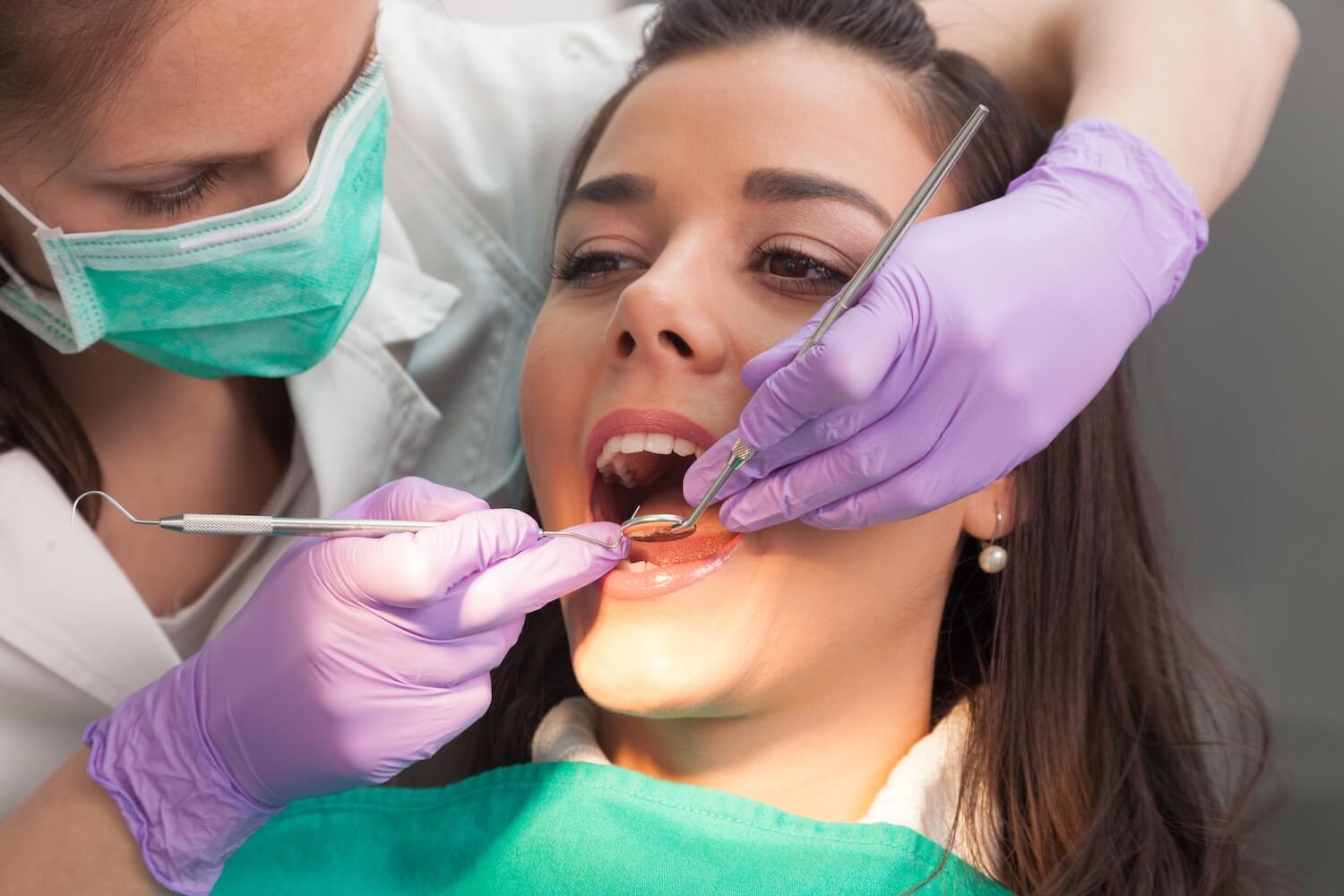
With proper care, your natural teeth can last a lifetime. From preventive care to restorative treatments, maintaining a healthy smile requires a combination of professional support and at-home habits. Two of the most effective methods to keep your teeth strong are fluoride treatments and root canal therapy.
At Supreme Dentistry, we use advanced techniques to protect enamel, prevent decay, and save natural teeth. From fluoride treatments to root canals, our Houston dental team uses the latest technology to maintain your smile’s health and minimize pain.
This article will guide you through the best strategies for preserving your natural teeth, explain how fluoride and root canal treatments work, and share practical steps to maintain strong oral health for years to come.
Understanding the importance of natural tooth preservation
Keeping your natural teeth supports both your appearance and your long-term health. Natural teeth play a crucial role in chewing, speech, and preserving your facial structure. When teeth are lost or extracted, nearby teeth can shift out of place, leading to bite issues and jaw discomfort.
Strong tooth enamel acts as your teeth’s natural defense system, protecting them from decay and damage. However, daily wear, sugary foods, and poor oral hygiene can weaken this protective layer, increasing the risk of cavities and infections.
Practicing good oral health habits, such as brushing your teeth twice daily, flossing, and visiting your dentist for regular checkups, helps prevent cavities and gum disease while supporting your overall well-being.
What does a fluoride treatment do?
A fluoride treatment is one of the most effective preventive measures for strengthening teeth and protecting against decay. This natural mineral helps remineralize tooth enamel, strengthening teeth and increasing their resistance to acid from bacteria.
During a professional fluoride treatment, your dentist applies a concentrated fluoride varnish, gel, or foam directly to your teeth. This process delivers stronger protection than what’s available in over-the-counter toothpaste or mouth rinses.
Fluoride works in two main ways:
- Topical fluoride (applied directly to the teeth): Strengthens enamel and protects against acid erosion.
- Systemic fluoride (ingested through water or supplements): Supports developing teeth beneath the gums.
Many patients ask, “Is it worth getting fluoride treatment at the dentist?” The answer is yes. Professional fluoride treatments provide a deeper, longer-lasting protection that’s especially beneficial for children, seniors, and anyone prone to tooth decay.
Benefits of professional fluoride treatments
Routine fluoride treatments do more than prevent cavities—they help rebuild and strengthen enamel at the microscopic level. When fluoride interacts with calcium and phosphate in saliva, it forms a protective layer on the tooth surface that shields against acid attacks from food and bacteria.
Benefits include:
- Reduced risk of tooth decay and cavities
- Stronger, more resilient tooth enamel
- Reversal of early signs of enamel breakdown
- Long-term protection for both children and adults
Incorporating professional fluoride treatments into your preventive care plan is a safe, effective, and well-supported approach, backed by decades of scientific research in dentistry. Your dentist carefully monitors your fluoride intake to ensure you receive the optimal amount for optimal results without overexposure.
When combined with regular brushing, flossing, and dental check-ups, fluoride treatments play a crucial role in maintaining strong oral health for a lifetime.
When and why you might need a root canal
Even with diligent care, sometimes a tooth infection or deep decay can reach the inner part of your tooth, known as the pulp. When this happens, a root canal may be necessary to save your natural tooth.
You might need a root canal if you experience:
- Persistent pain or sensitivity to hot and cold
- Swelling near the affected tooth or jaw
- A darkened tooth or visible abscess
- Discomfort when chewing or biting
A root canal infection happens when bacteria enter a tooth through deep cavities or cracks. If left untreated, the infection can spread, causing bone damage or even tooth loss. Fortunately, root canal treatment can remove the infection while preserving the tooth structure. By saving your natural tooth instead of extracting it, you maintain proper bite alignment, chewing function, and overall oral health.
What is root canal therapy, and how does it work?
Root canal therapy, also known as root canal treatment, is a restorative procedure that removes infection and protects the inner layers of a damaged tooth.
Here’s what happens during a root canal procedure:
- Diagnosis: Your dentist takes X-rays to locate infection or decay within the tooth.
- Anesthesia: The area is numbed with a local anesthetic for a pain-free experience.
- Cleaning: A small opening is made to access and remove the infected pulp from inside the root canal.
- Shaping and filling: The space is cleaned, shaped, and filled with a biocompatible material called gutta-percha to prevent future infection.
- Restoration: Finally, the tooth is sealed with a crown or filling to restore strength and function.
Modern root canal procedures are highly efficient and far more comfortable than most patients expect. Thanks to advanced technology and gentle techniques, treatment can often be completed in one or two visits.
Comparing root canal vs. root canal therapy
Many patients wonder about the difference between a root canal and root canal therapy. Often, these terms are used interchangeably, but there’s a subtle distinction:
- Root canal: Refers to the inner space within your tooth that houses the pulp and nerves.
- Root canal therapy: Refers to the dental procedure used to treat infection or damage inside the tooth’s canal.
While these terms describe related aspects of the same treatment, root canal therapy focuses on restoring the tooth to health. Advances in modern root canal procedures have made them safer, faster, and more comfortable than ever before. Ultimately, both terms aim to achieve the same goal: saving your natural tooth and preventing further damage or decay.
How to prepare for dental procedures: Fluoride treatments and root canals
Whether you’re coming in for a preventive fluoride treatment or a root canal therapy, knowing what to expect can help you feel more comfortable and confident.
At your dentist’s office, preparation typically includes:
- Consultation: Discuss your symptoms, medical history, and treatment goals.
- Diagnosis: X-rays or digital scans help your dentist identify decay or infection accurately.
- Comfort planning: For anxious patients, sedation or relaxation options are available to make the procedure stress-free.
For fluoride treatments, the process is simple. Your teeth are cleaned and dried before fluoride is applied, and you’ll be advised to avoid eating or drinking for 30 minutes afterward.
For root canal therapy, patients are encouraged to:
- Eat a light meal before the appointment if a local anesthetic will be used
- Arrange for transportation if sedation is chosen
- Follow aftercare instructions carefully to support healing and comfort
Our team at Supreme Dentistry explains every dental procedure clearly, so patients feel informed and supported from start to finish.
Maintaining your natural teeth: Daily habits and long-term care
The best way to protect your natural teeth is through consistent preventive care. Even after treatments like fluoride applications or root canal therapy, maintaining strong oral health depends on your daily habits.
Here are key steps for long-term tooth preservation:
- Brush your teeth twice a day using fluoride toothpaste
- Floss daily to remove food and plaque between teeth
- Rinse with mouthwash to control bacteria and strengthen enamel
- Schedule regular dental visits every six months for cleanings and check-ups
- Eat a balanced diet, low in sugary snacks and acidic beverages
These simple actions work together to protect your tooth enamel, prevent decay, and maintain your mouth’s health between professional appointments.
Protect your natural smile with Supreme Dentistry’s expert care and services
Preserving your natural teeth supports your long-term oral health and well-being. Through preventive care like fluoride treatments and restorative options such as root canal therapy, you can maintain a strong, pain-free smile for years to come.
At Supreme Dentistry, our expert dental team combines cutting-edge technology with personalized care to help you achieve lasting oral health. Whether you’re seeking preventive fluoride protection or need to treat an infected tooth, we’ll make your experience as comfortable and effective as possible.
Call us at 844.966.2333 or schedule your appointment online to get started. Protect your smile today with expert, compassionate dental care from Supreme Dentistry in Houston, Texas.